
itype Results: Measurable Typing Results in Australian Classrooms
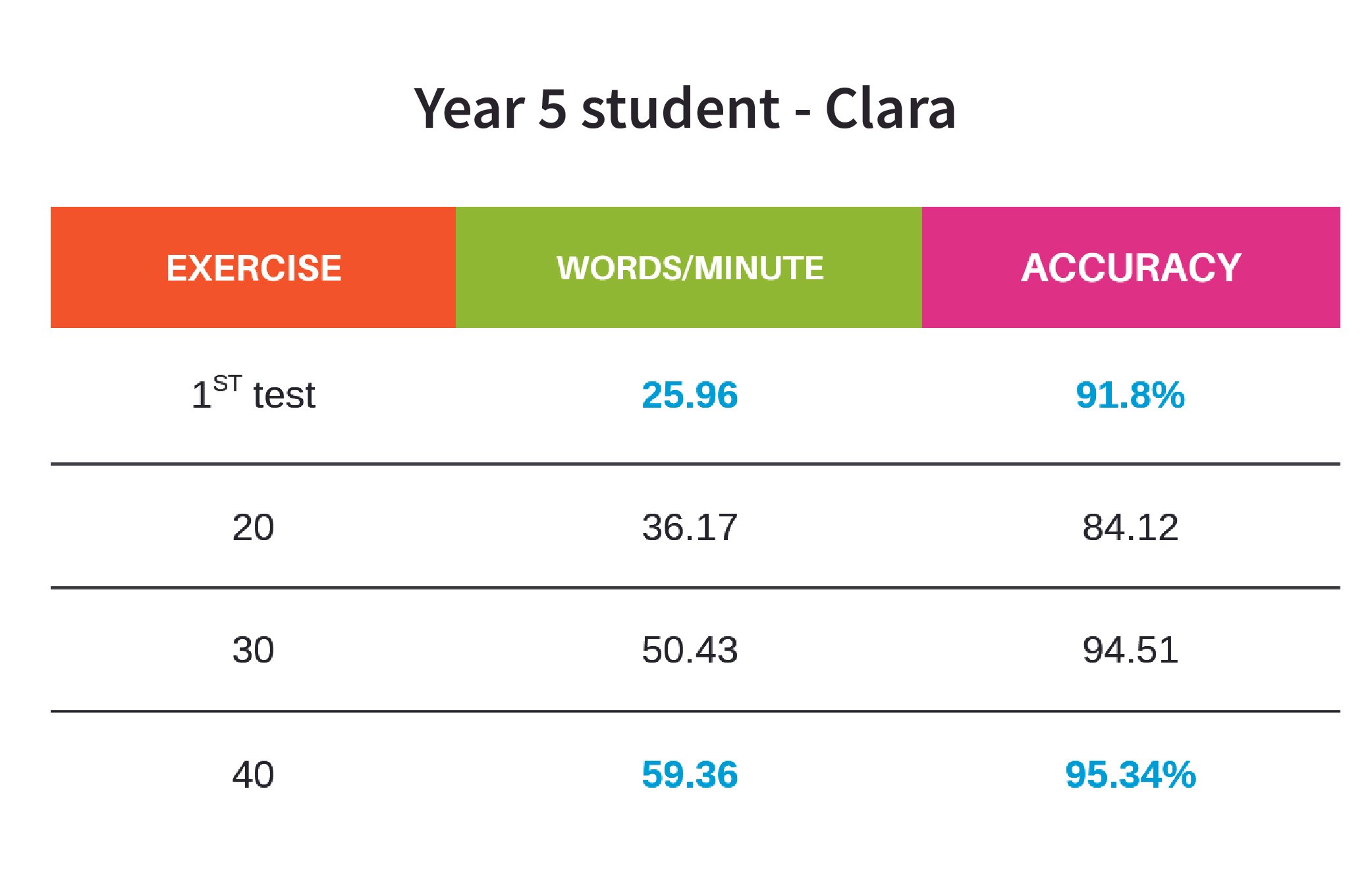
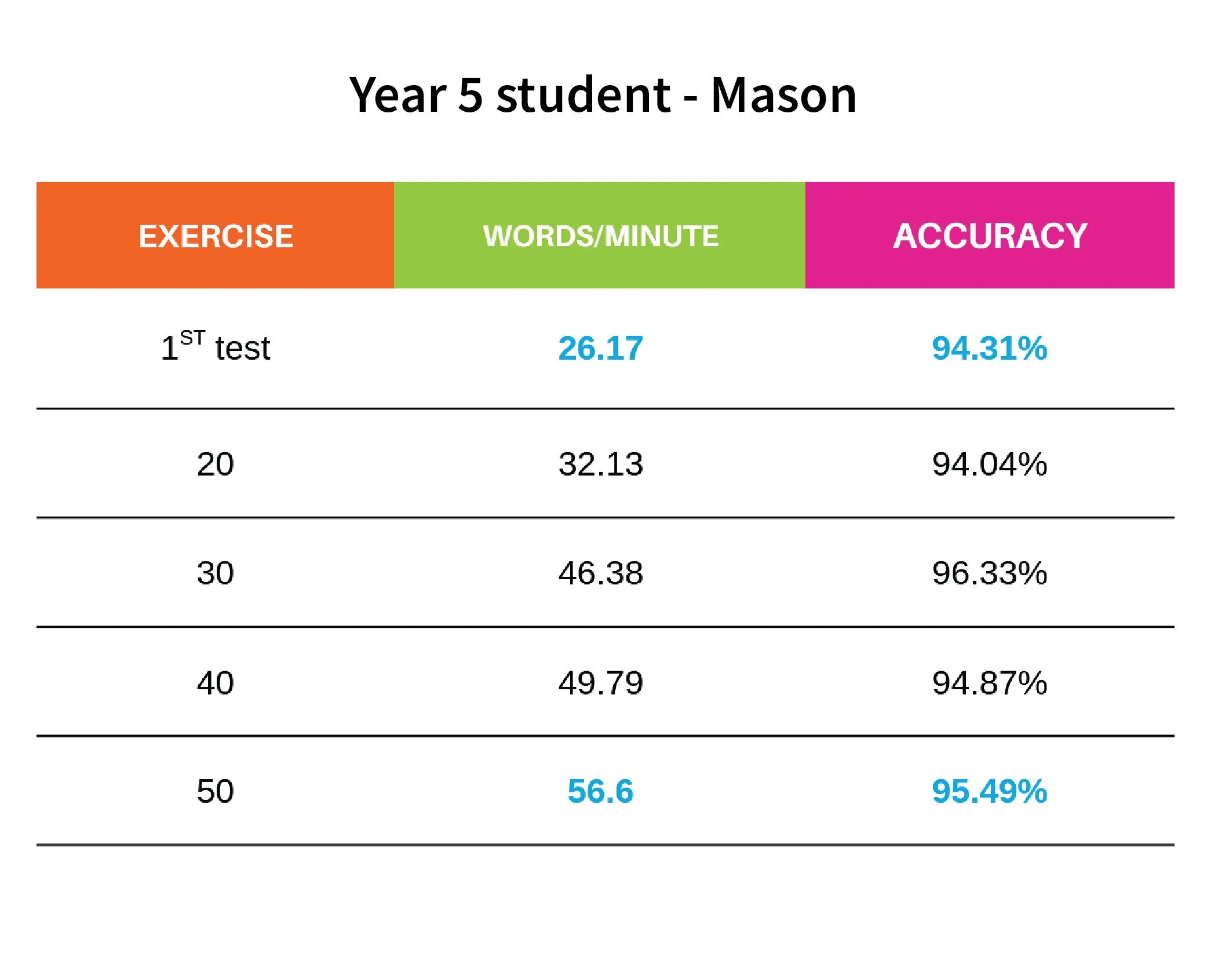
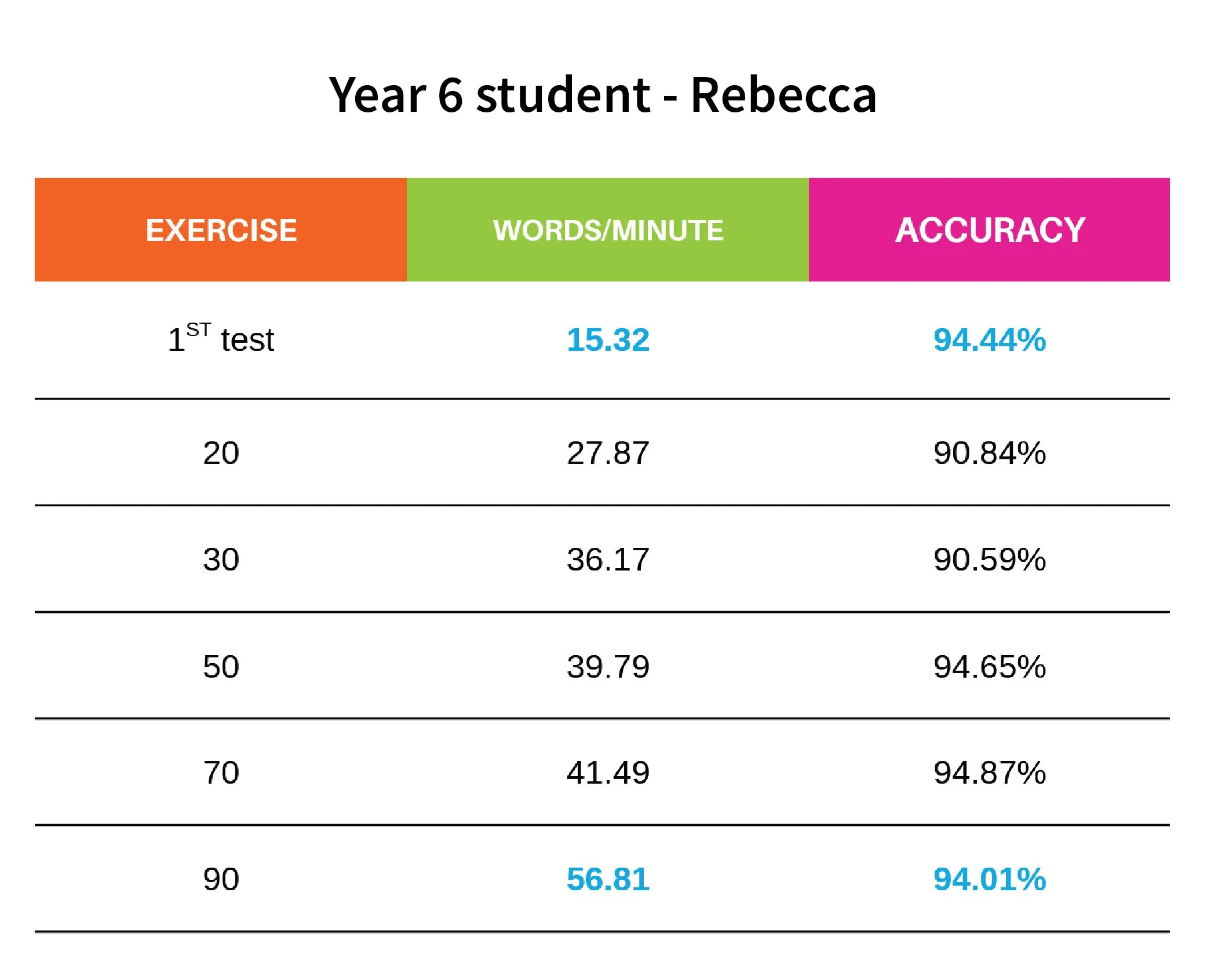
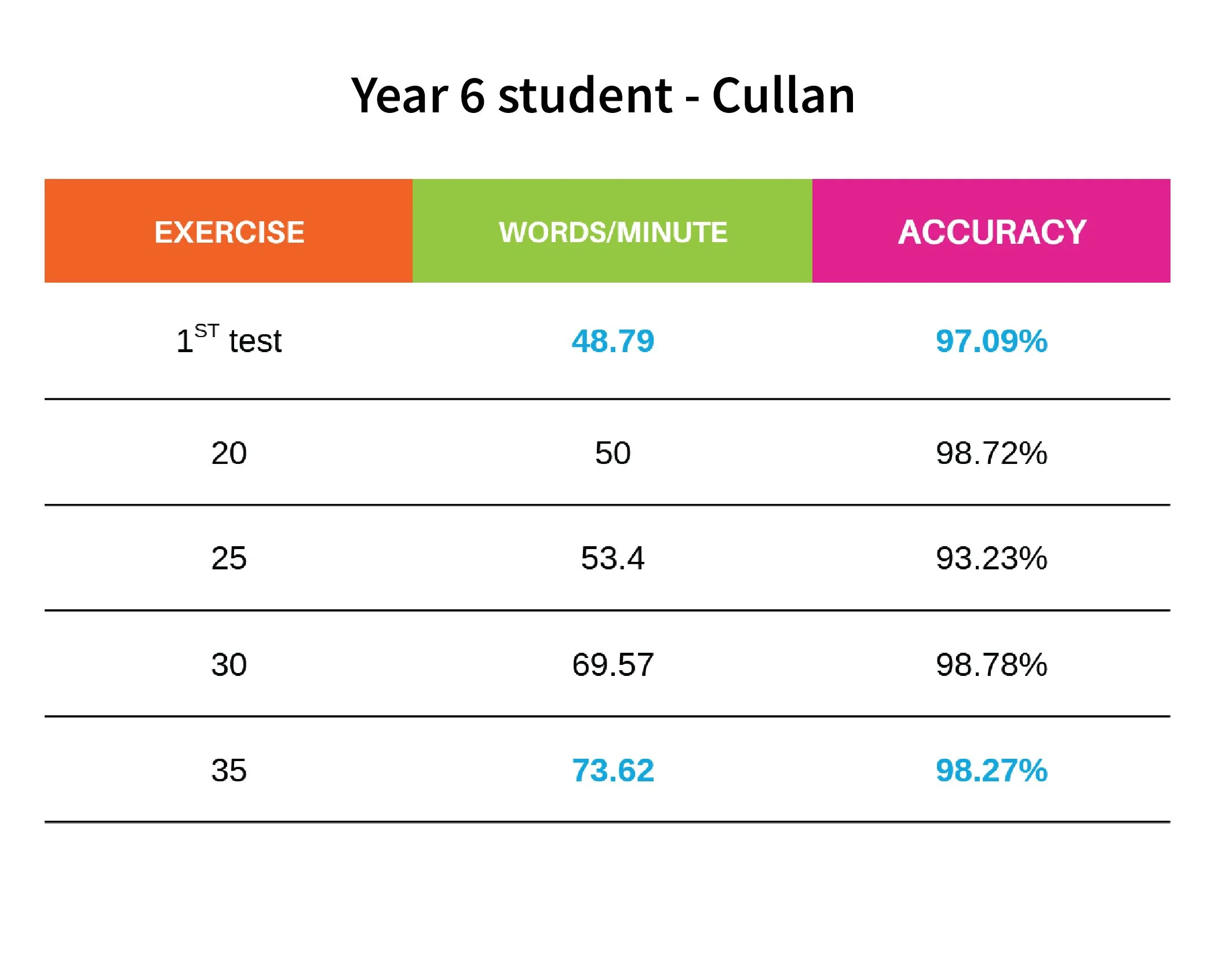
itype is an established Australian typing program used in primary school classrooms across the country. The following results demonstrate how structured instruction, correct home position and consistent practice lead to measurable improvements in typing speed, accuracy and student confidence.
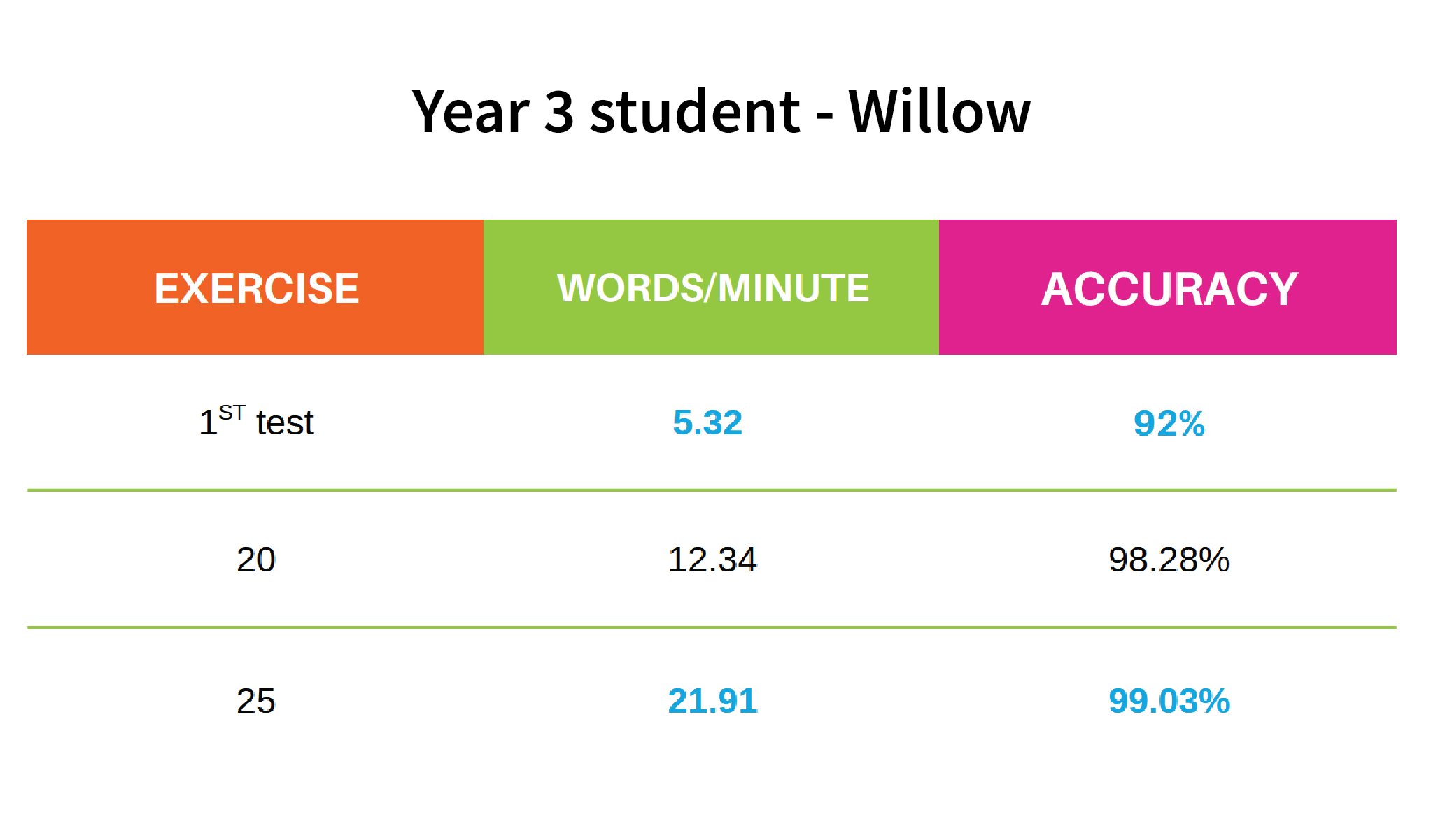
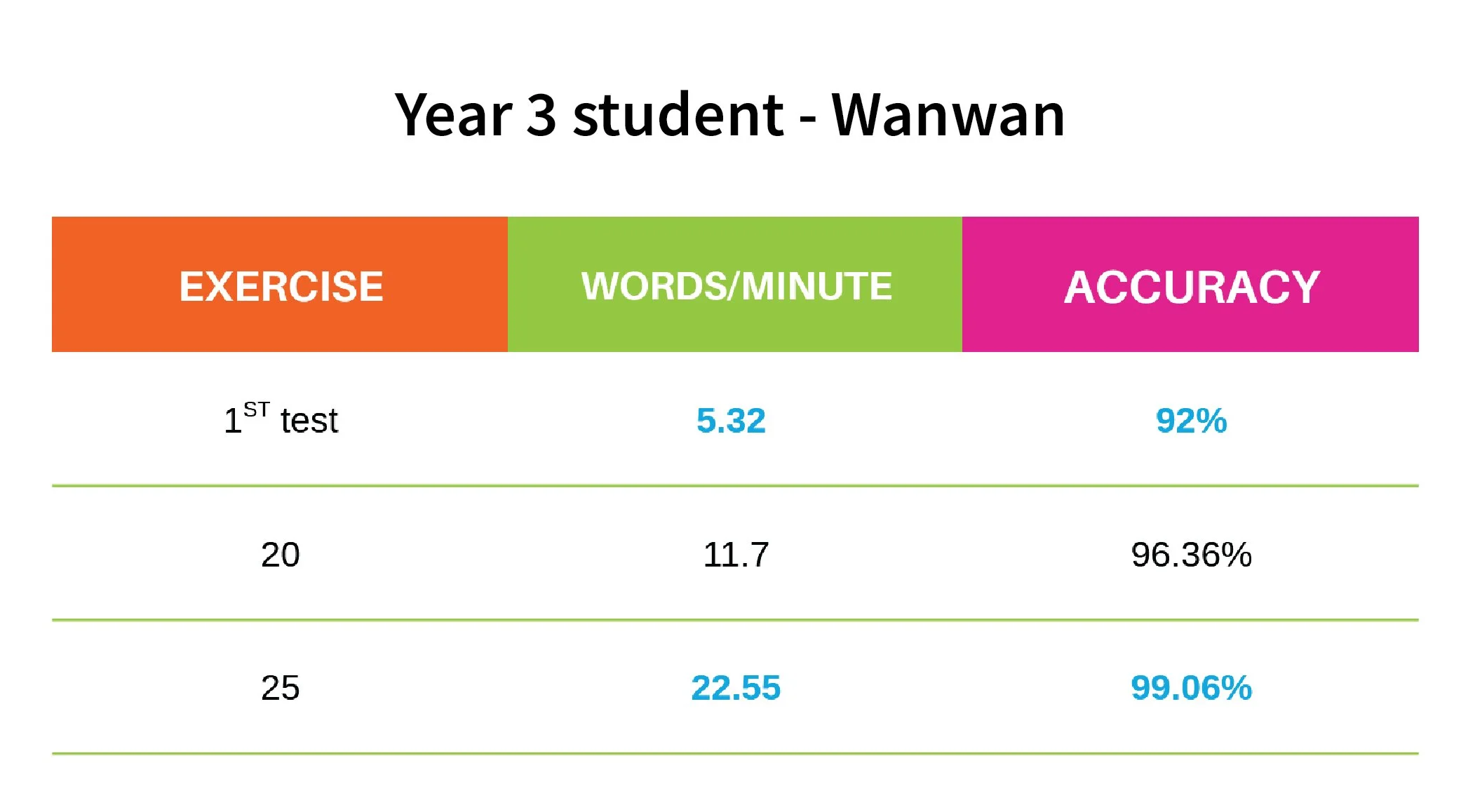
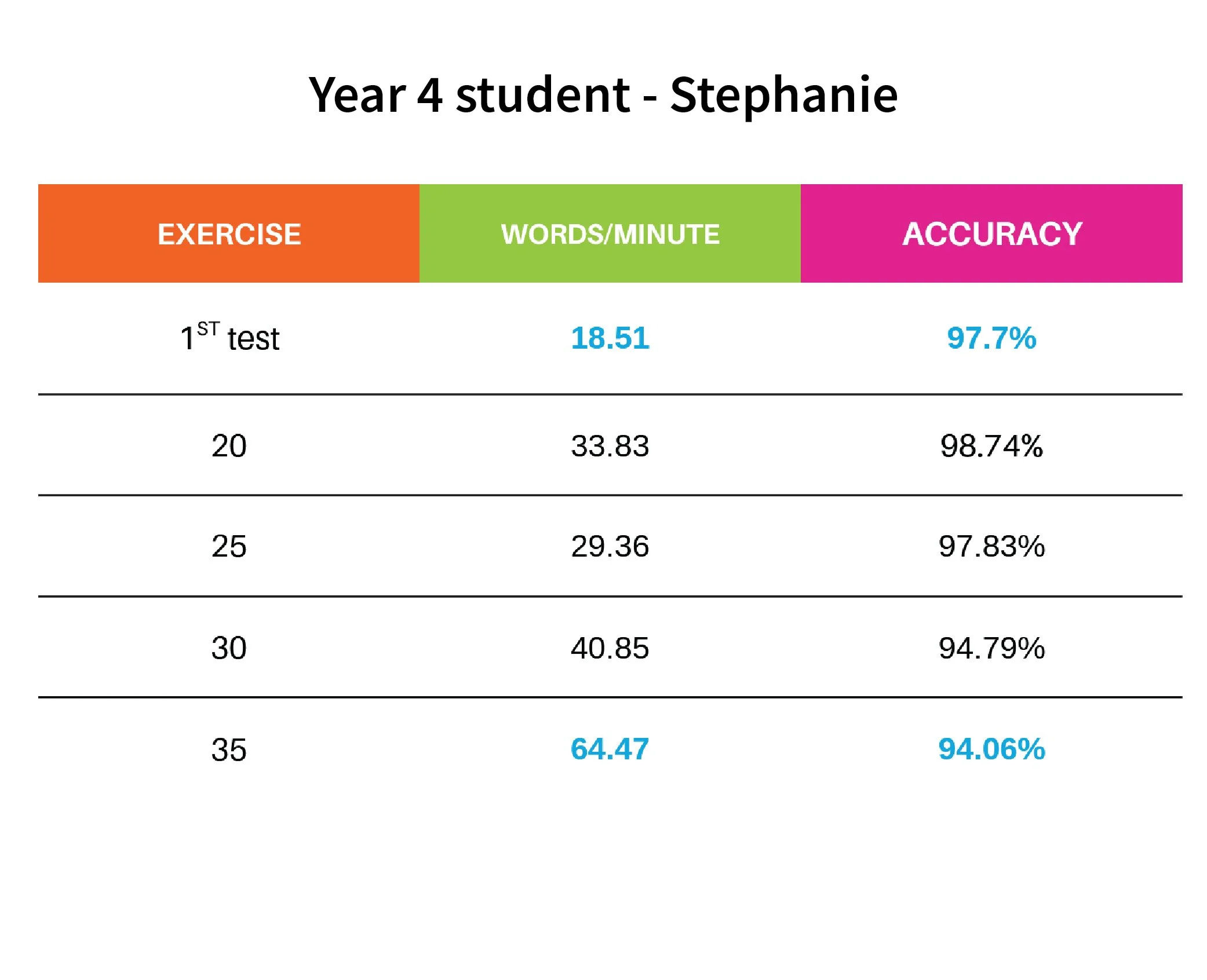
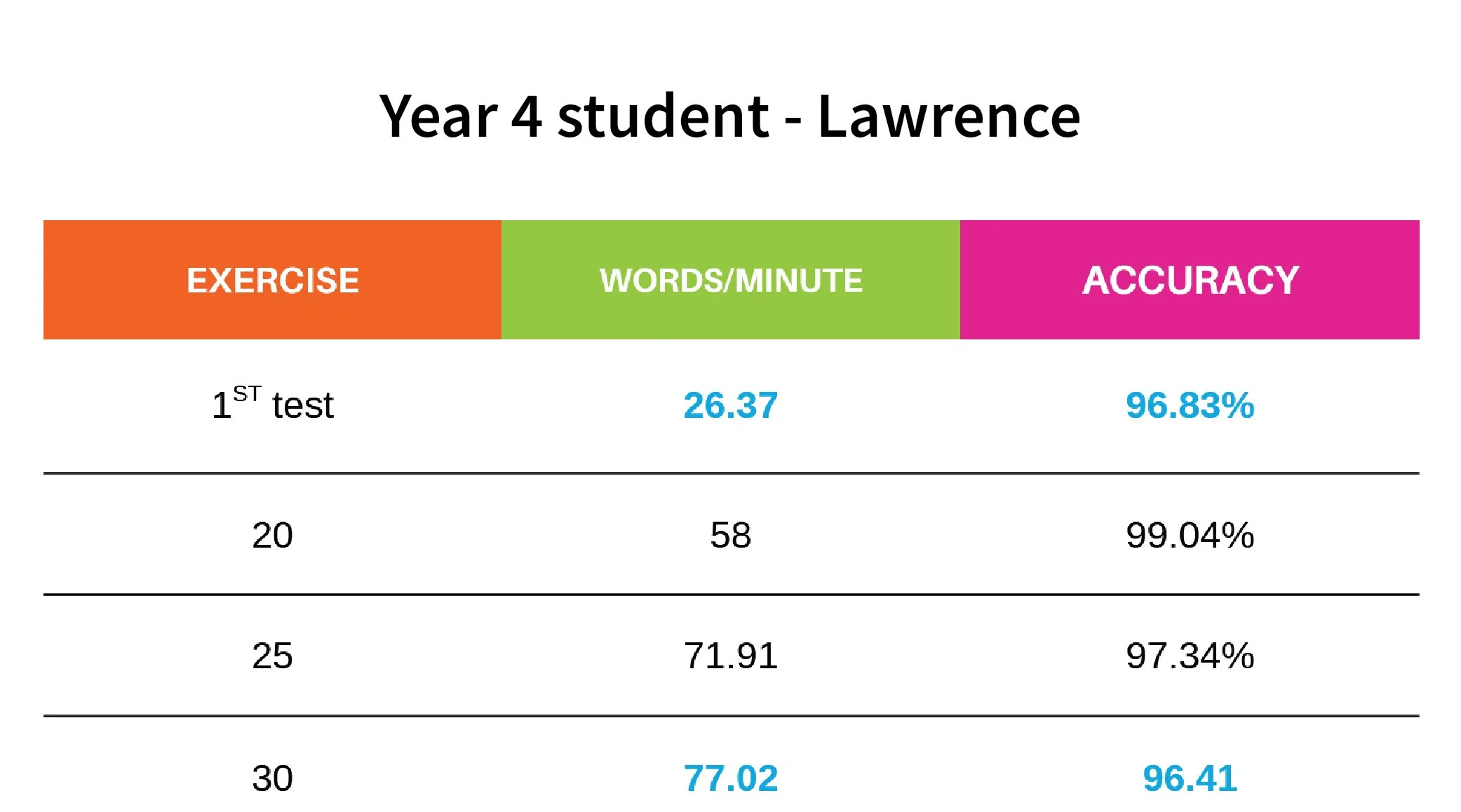
These results are drawn from real classroom use after the pilot phase concluded in March 2024 and reflect outcomes across different year levels and learning contexts.

Learning Outcome Results




Why Technique Matters: Home Position vs Non-Home Position
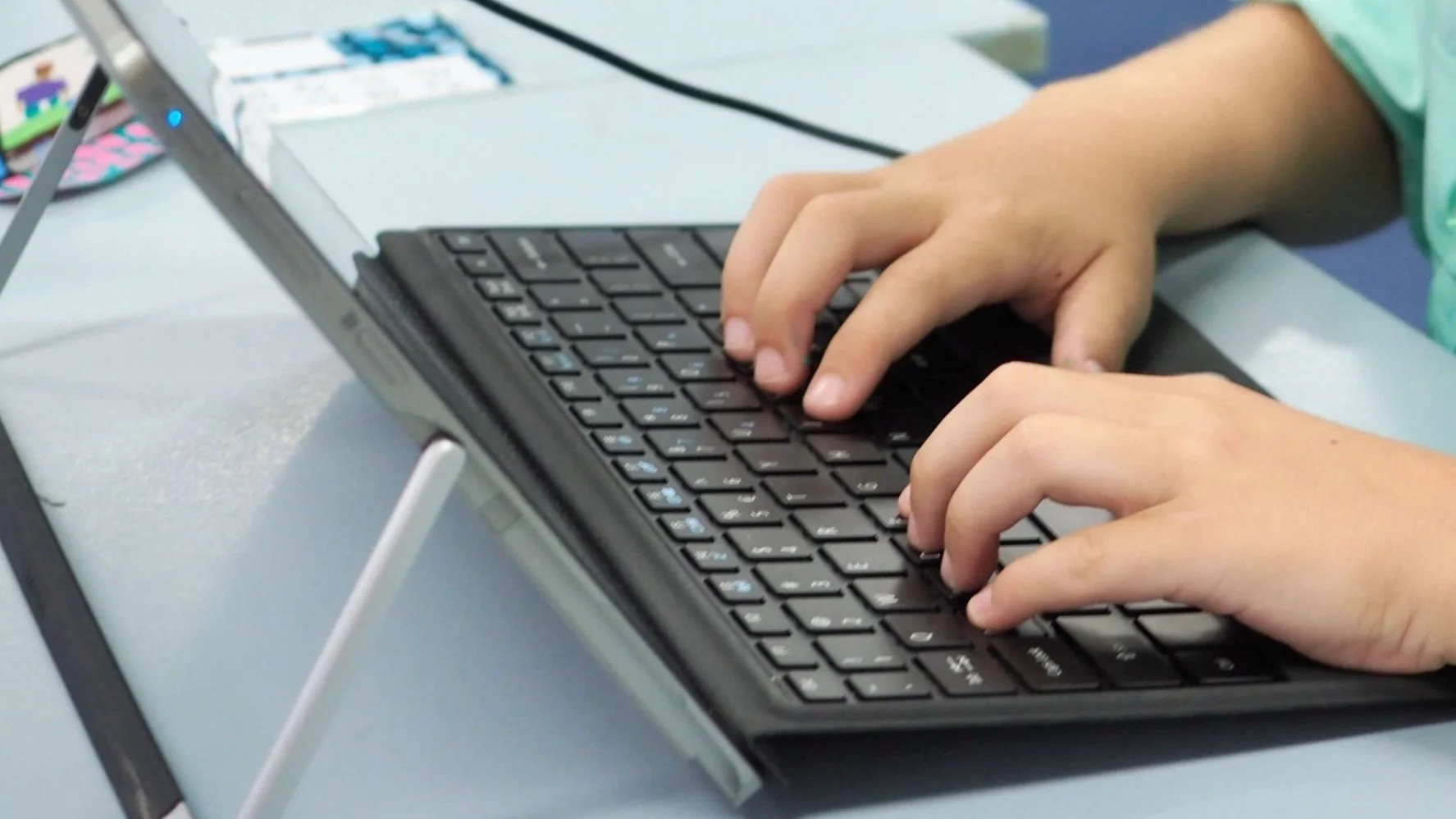
One of the clearest findings across all itype data is the impact of correct finger placement.
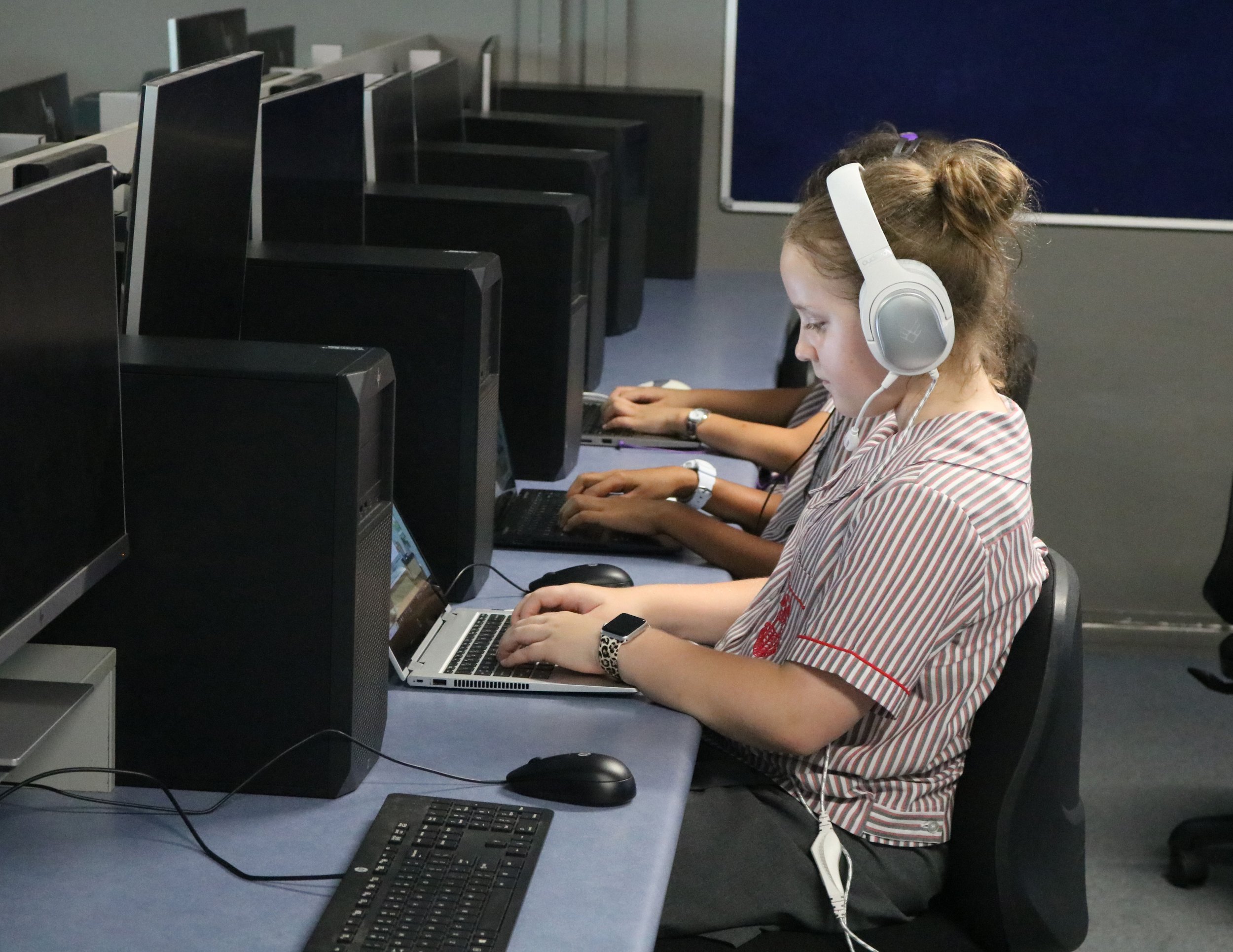
Students using correct home position
Students who consistently use home position continue to improve their typing speed and accuracy over time. Many reach sustained speeds of up to 80 words per minute, while maintaining high accuracy.
Students not using home position
Students who do not use correct finger placement often show early improvement, followed by stagnation. Their typing speed plateaus, and further gains are limited regardless of practice time.
This evidence reinforces the importance of structured instruction that is accountable rather than unstructured keyboard exposure.
The results when a student is not using the home position finger placement, the speed doesn’t improve.
There is no benefit for a student aiming to touch type and not having the correct finger placement on the keyboard. Without using home position finger placement, the student cannot attain automaticity where the screen is the focus and the brain is recalling the embedded information from the neural pathways created through systematic sequential learning methods.
When students are using the hunt and peck method, they cannot embed neural pathways because they are looking at the keyboard to find the key with their fingers going all over the keyboard, the brain does not have to retain or recall the information, the eyes will do the work instead. Looking at the keyboard cannot develop automaticity for touch typing.
Consistent Results Across Australian Schools
itype is used in schools across Australia. Consistent outcomes are seen when schools follow the structured approach and prioritise correct technique with regular engagement for students to consolidate learning.
Using the 4 pillars of learning each exercise focuses on
Attention
Active Engagement
Corrective Feedback
Consolidation
Results show spaced practice optimises students ability to gain automaticity using a keyboard, recommendations for students to engage with the itype program 2 - 3 times each week. Resulting in students completing the itype program in only 1 semester. Once the program is completed, the students can enjoy automaticity when learning all areas of the Australian curriculum.
Rather than relying on brand claims, itype focuses on evidence, repeatable outcomes with a classroom-ready design.

See These Results in Your School
Every school context is different. A live demo allows you to explore how itype can be implemented with your students and what results you can expect based on regular engagement and your year levels learning needs.
